Gb. 1. SKETSA: Agar tidak merusak kertas cat air yang berharga dan tidak meninggalkan banyak bekas pensil, saya biasa membuat sketsa awalan di kertas HVS biasa. Setelah dirasa baik, sketsa dipindahkan ke kertas cat air, bisa dengan 2 cara; kertas kalkir (tracing) atau lightbox.
Kiat: Saya biasa memakai pensil 3H untuk garis luar (nanti dihapus setelah pewarnaan awal) dan pensil watercolor yang sewarna dengan obyek untuk panduan kontur bagian dalam.
Gb. 2-3. BENTUK: Untuk memberi bentuk secara keseluruhan, saya menggunakan teknik wet into wet. Bagian yang akan diwarna dibasahi dengan air, lalu sapukan campuran warna (yang cukup berair) sesuai bentuk yang diingini. Saat kertas masih basah, warna akan menyebar dengan baik dan memudar dengan alami. Kita juga bisa mengarahkan 'bleber'nya dengan kuas yang basah atau mengangkat warna untuk untuk memberi highlight dengan kuas bersih yang lembab/lebih kering sedikiit. Teknik ini bisa diulang setelah kertas kering untuk menguatkan warna atau memberi warna lainnya tanpa membentuk tepian yang kentara.
Kiat: Gunakan 2 kuas, satu kuas untuk air bersih dan lainnya untuk warna.
Gb. 4-5. DETAIL: Dengan kuas yang lebih kecil dan teknik wet on dry, perkuat warna untuk bagian midtone dan shadow dan tinggalkan bagian highlight. Trik dua kuas yang saya sebut sebelumnya bisa dipakai jika ingin warna tidak bertepi tajam. Caranya setelah menyapukan kuas warna, lanjutkan segera dengan kuas air bersih. Atau sebaliknya basahi dengan air bagian yang ingin pudar, baru sapukan warna. Kalau ingin tepi tajam, tidak perlu dibasahi.
Gb. 6. DETAIL TAMBAHAN: Saya menggunakan white gouache untuk bulu-bulu halus pada gambar ini setelah warna lainnya benar-benar selesai.
Gb. 4-5. DETAIL: Dengan kuas yang lebih kecil dan teknik wet on dry, perkuat warna untuk bagian midtone dan shadow dan tinggalkan bagian highlight. Trik dua kuas yang saya sebut sebelumnya bisa dipakai jika ingin warna tidak bertepi tajam. Caranya setelah menyapukan kuas warna, lanjutkan segera dengan kuas air bersih. Atau sebaliknya basahi dengan air bagian yang ingin pudar, baru sapukan warna. Kalau ingin tepi tajam, tidak perlu dibasahi.
Gb. 6. DETAIL TAMBAHAN: Saya menggunakan white gouache untuk bulu-bulu halus pada gambar ini setelah warna lainnya benar-benar selesai.
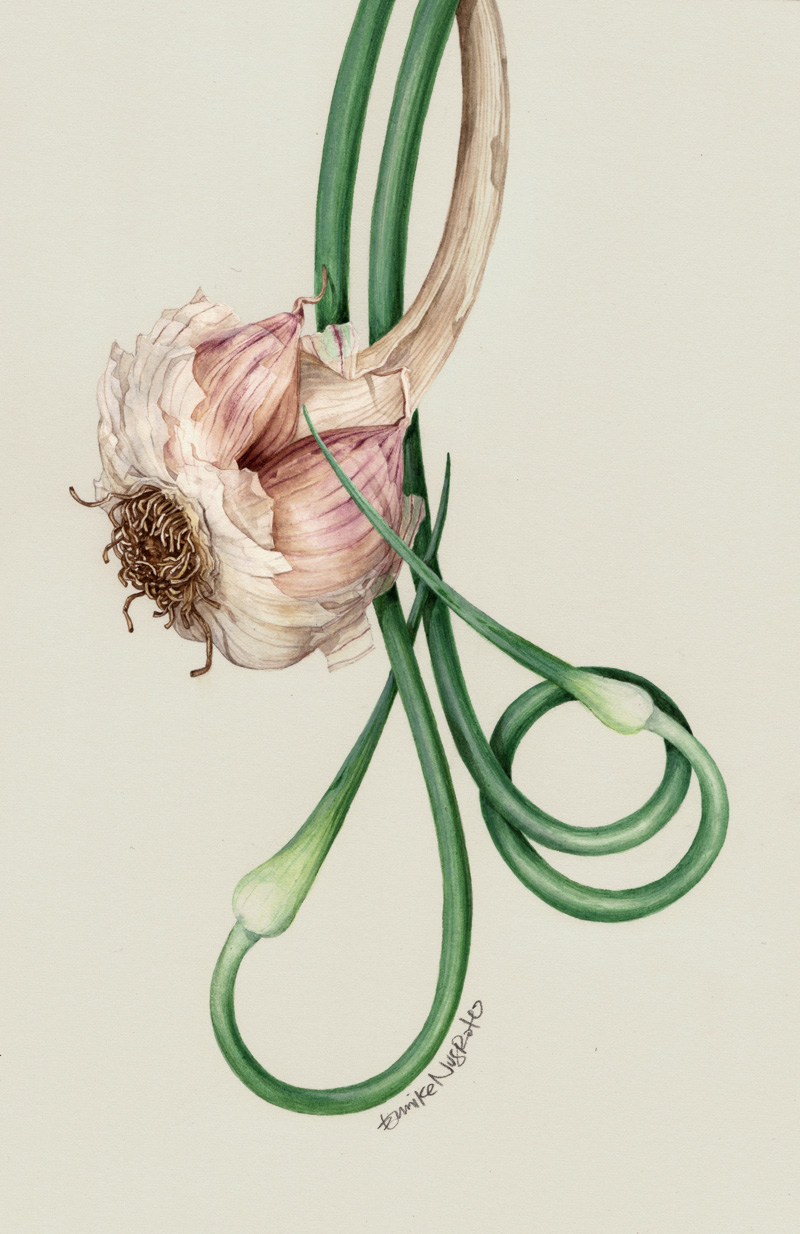
Dan ini hasilnya.